Monday, 14 September 2015

Marielle Heller, Diary of a Teenage Girl Interview

Books can be life-changing and never has there been such a case in point as when Marielle Heller was gifted a copy of The Diary of a Teenage Girl eight years ago. Besotted by the story and how it stood as a sui generis to the anxieties and tribulations of female adolescence, the UCLA and LAMDA theatre graduate set about acquiring the novels play rights before mounting it off-Broadway in 2010, where she also starred in the lead role.
After a critically acclaimed six-week run, author Phoebe Gloeckner was sufficiently impressed to grant Heller the full movie rights which would also mark her feature directing debut. Starring Brit newcomer Bel Powley in the lead role along with Alexander Skarsgard and Kristen Wiig, The Diary of a Teenage Girl premiered at this year's Sundance Festival where it stood as one of the break-out films, drawing acclaim for its unique female interpretation of the coming of age genre, while scooping tangible recognition in the form of the prize for best cinematography. Since then, it went on to take the title of Best Feature Film and Best International Feature Film at the Berlin and Edinburgh film festivals respectively.
Speaking from LA, director Heller caught up with the 405 about what the story means to her, the '70s, and some of the current issues surrounding Hollywood.

When did you first read the graphic novel?
My sister gave me it as a present eight years ago. She didn't do so with the intention of me actually doing anything with it; she had read it herself and loved it and thought I would too. I was blown away and it just felt like the most honest depiction of a teenage girl and coming of age sexuality story that I'd ever come across. I was so compelled that I didn't even realise it was something I hadn't seen before. After that, I started stalking Phoebe Gloeckner, the author, and her agent, until I finally acquired the theatrical rights.
You had already spent 3 years developing The Diary of a Teenage Girl as a Broadway play. Was it always your intention to one day translate it into a film?
No! I'm a theatre person first and foremost so the idea was always to make it into a play. It was such a positive experience and I felt so happy with how it had gone. When I came out on the other side I had the feeling that I still wasn't finished with Minnie or the story and that's when I started conceiving it as a film. It really wasn't something I'd intended at the beginning.

Photo courtesy of Sony Pictures Classics.
How much did you rely on the script from the play to inform the screenplay?
I had to change a fair amount. It was a five-character play with a lot of magical realism and was kinda its own thing. The process of adapting the book into a play and then the play to the film was really challenging because I loved the book and I had so much reverence for it. At one point I had to abort being so true to the book and Phoebe and try let it become something new. The form of theatre is really different to the form of a book and the form of a film is really different to the form of theatre.
When reading the synopsis I think people might naturally assume that Monroe (Skarsgard) would assume the role as this dominant figure while Minnie (Powley) would be recessive and impressionable, yet at points it's the complete opposite. The film I think not only deals with the pressures of being a teenage girl and growing into womanhood, but the wider complications of assumed social dynamics.
I think that's exactly it. We're much more comfortable in our society with narratives that are black and white which paint a very clear victim and a very clear predator where we can have a moralistic judgement of who's right and who's wrong, but life isn't like that and the truth of the matter is that most situations are complicated and people aren't all good or all bad; they're human and interesting and have complex ways. I think exploring all of that makes for a more interesting story as well. When it comes down to it, Minnie is being taken advantage of but she doesn't feel like she's being taken advantage of, so we shouldn't either. The film is from her perspective so if she doesn't feel like a victim then we shouldn't feel like she's a victim.
One of the endearing things about the character of Minnie is how she becomes so hopelessly preoccupied with Monroe and sex to the point it begins to affect her relationships with others while her grades in school begin to suffer. Even as a guy in my 20s, I felt I could relate with her and it reminded me of the anxieties of being that age where everything else seems to pale in significance and makes you feel sort of small.
Totally, I think we can all relate to that and I like that you as a guy can do so with this part of her character because I've been relating to male protagonists my whole life. I think Minnie is a really relatable protagonist because everybody goes through that major hormone jump where suddenly all you can think about is sex and romance, and it's as if everything else falls away even if you know you should be focussing on other things - like Minnie with her art.

Photo courtesy of Sony Pictures Classics.
I think it's a real shame that it's been given a certificate 18 here and could potentially bypass the younger audiences it would resonate with the most, particularly when movies loosely similar such as Catfish have been certified 15.
I was really surprised by that because it's stricter than what we got in the US and I didn't think there was any chance of that happening, but I hope that young men and women do sneak into the movie and go see it anyway. I think it's a shame that an all-male board get to decide what young women are allowed to consume. We can pretend that it isn't true but in reality most teenage girls are having sex and not talking about it won't change that. Banning people from going to see this movie is not going to make the fact that girls are having sex and thinking about sex any less true. Good luck trying to shelter them, but it's not going to work.
Yeah, I think when you look at the scenes which were flagged up in the overall context of the film then they make perfect sense. There's nothing there which comes across as wanton and if anything it makes the rating system seem out of touch...
I don't know why but I think people are still afraid of teenage girls and their sexuality, with the rating handed out due to fear more than anything else. This is a film made by women about true women's stories and it's not gratuitous. It's really sad that we're much more comfortable with things like rape scenarios in films. If this had been a movie where she was very clearly being raped and not enjoying sex at all then it would probably have gotten a lower rating, but because it's about a girl who's exploring and enjoying sex it gets a worse rating. I think that's very telling and unfortunate.

Photo courtesy of Sony Pictures Classics.
Why do you think it's taken so long for a movie from a female perspective like this to come to light? I read Alexander Skarsgard saying the other day that sexism is still a big problem in Hollywood...
I can't say why because I don't think there's any big conspiracy theory. Hollywood is run by men in general and so they're going to tell the stories that they can relate to. Until we have more female filmmakers and storytellers being given a chance then we're not going to have more movies like this. I don't think it's malicious, I think it's the reality that a man wouldn't make this movie because it wouldn't be his life or experiences and he wouldn't know how to do it.
Even though the themes of the film aren't exclusive to a particular time, it's hard to imagine it working so well if it was set in an era other than the '70s. The free-spirited, experimental nature of the baby boomers came through really well.
For me it was important to keep it set in then, not just because of the book, but because it was a really interesting cultural time to explore, particularly in the San Francisco area. These stories still exist today, of course, but having it set then hopefully let audiences come in and let the story play out with a little less judgement.
I noticed the Patty Hearst trials feature as a running background news item throughout the film. Why did you decide to feature that particular case?
When I was doing research for the film - and there's a brief mention of it as well in the book - I realised that the Patty Hearst trials would have going on at the exact same time. Everybody would have been watching it as it would have been the cultural touchstone in the same way that the OJ Simpson trial was back when I was at high school. I read this one article which said something that I felt was really parallel to the story that I was trying to tell in that the trial was so focussed on the idea of personal responsibility versus societies responsibility and how our actions are our own and that it's up to us to take responsibility.
This article was posturing that if this trial had taken place 10 years earlier in 1966, public opinion would have been that Patty was the victim and that society failed her by not taking care of her, whereas if it took place in 1986, public opinion would probably have been more along the lines of "she's an individual, she should have pulled herself up by her bootstraps and it's totally her fault." In '76, we were really somewhere in the middle of those two eras and were having that exact cultural discussion; what is personal responsibility versus societies responsibility? How do we care for our young people and how do we care for our women? I just found it a really interesting question and a neat parallel with Minnie's story. Is she entitled to her own sexuality or is it Monroe's or her mother's responsibility?

Photo courtesy of Sony Pictures Classics.
UK audiences might know Bel Powley from some TV work, but she's a relative unknown really. How did you discover her?
She submitted a tape from the UK which was just incredible and at the end she included a little extra part where she looked into the camera and spoke to me about why the movie meant so much to her and why she wanted to be involved which I found really touching. I care so much about the character and it was important that the people I brought in were equally as passionate. As well as that, she also had to contain all of these conflicting attributes such as being good at comedy and drama, while looking like a girl but also a woman. She needed to be awkward and sexy; she needed to be geeky enough to grow up to be a comic book artist yet striking and beautiful. It felt like I had this impossible list of demands of what I wanted the character to be, but then Bel came along and embodied all of them.
After playing the role of Minnie yourself in the play for so long, was it hard to segue control and not be too didactic to Bel?
I thought it was going to be more difficult than it actually was. It became really clear to me that Bel's Minnie was different from mine, but she understood her in the same the same way that I did and we both felt this responsibility to this fictionalised version of Minnie that existed outside of us, so we wanted to honour and do right by Minnie. I could see that she had a lot of respect about who this girl was and that's what made it really easy to let go. I remember a moment when our costume designer looked at me and said "can you remember our life before Bel?" and I really couldn't. She was so perfect for the role and I can't imagine anyone else playing her.
This story and its characters has been such a big part of your life for so long now. Do you have any idea what your next move might be after the films release?
Luckily for me the film is ending just as I've begun a new chapter in my life as a mother. I have a little 7 month old baby so that's helpful because otherwise I think I'd be losing my mind. I'm also working on a lot of really exciting projects. I just directed an episode of the TV show, Transparent, and I've also signed on to a film about Ruth Bader Ginsburg starring Natalie Portman.

The Diary of a Teenage Girl goes on general release in the UK and US on Friday.

Tuesday, 7 July 2015

405 Posts

Just using this post as a repository for my work on the 405. I'll update the Tenement TV posts in due course!


Thursday, 28 August 2014

St Vincent / Glasgow ABC / 28/8/2014


“I’m trying to live at the intersection of accessible and lunatic,” pronounced Annie Clark prior to the release of St Vincent’s critically acclaimed eponymous album and on the evidence of tonight’s sold out Glasgow show she is doing exactly that. Over 90 minutes, Clark reimagines the entire St Vincent mythology by executing a brilliant, at times mesmerising, symbiosis of coolly precise robotic choreography and virtuoso guitar craft.

Clark likes to see how far she can get to the edge without falling off - “controlled chaos” the guiding principal behind her latest song writing process. Opening with the album’s title track, “Rattlesnake”, a sparse, Kraftwerky riff germinates into a rip-roaring Pollockian guitar shred which sounds like Kevin Shields channelling Max/MSP era Jonny Greenwood. Prior to the show the crowd are asked not to use their phones and in keeping with the technophobic theme, “Digital Witness”, sees Clark lament the nature of social media hyperculture, pondering “what’s the point of even sleeping? If I can’t show it you can’t see it” to a soundscape of horns and chicken grease funk.

Visually, the Strange Mercy era (2011) seems far removed from the current production (she has since hired a creative director in WilloPerron, the brains behind Kanye West’s “Yeezus” tour), but musically it still more than holds its own. “Surgeon”, a track inspired by a line found in one of Marilyn Monroe’s journals (“best, finest surgeon, Lee Strasberg, come cut me open”) sees Clark illustrate her mystifying dexterity to play and sing at the same time, while she assumes a numinous quality as she scales the stage steps to deliver the thunderous stomp of “Cheerleader”. Such stage rig can sometimes appear showy and redundant, but the mantis-framed Clark cuts a haunting figure as she stands tall delivering the plaintive yodel of “Prince Jonny” - her note perfect falsetto completely enveloping the room. The show ends with her lying prostrate on the steps having died a stage death.

Kate Bush, the Queen of art-pop, played her first gig in 35 years this week and wowed fans with her gesamtkunstwerk. Among current artists, there is a reticence to foray into such pop drama territory, yet St Vincent cannot stand accused of that. The show is a syncopation of visual and sonic artistry which teeters on the brink but never loses itself in its own ambition. It was Friedrich Nietzsche who said that, “one must still have chaos in oneself to be able to give birth to a dancing star”, and never has anyone embodied the phrase quite as literally as Annie Clark. St Vincent is chaos, but the chaos is all so beautiful. 

Wednesday, 7 May 2014

Twilight Sad feature interview


“I don't think we performed anything off Fourteen Autumns & Fifteen Winters at our first two gigs, we just played some instrumental songs and a Daniel Johnston cover,” says The Twilight Sad frontman James Graham. It’s been just over 10 years since the band played their inaugural shows at the 13th Note and so he can be forgiven for being slightly hazy on the night’s finer details. “I'm trying to think what I actually did at those first two gigs as I only had one song to sing in the set. I probably went to the bar or played about with a pedal or something. I remember after those two gigs we wrote four songs and they made up the demo CD that we sent down to Fatcat Records. Fatcat wanted to see us play and asked if we had an upcoming gig, we didn't, so we arranged one at The Barfly. I think we played ‘That Summer at Home, I Had Become the Invisible Boy’ and ‘And She Would Darken The Memory’ at that gig, they signed us soon after that and we went into the studio to record Fourteen Autumns & Fifteen Winters.”

In the time that’s followed the band has released four albums, navigated several line-up changes, played with the likes of the Smashing Pumpkins and found success on both an international and domestic front. Along with the likes of Frightened Rabbit and Admiral Fallow, they are viewed as one of the cornerstones of contemporary Scottish indie – the boys from the tiny town of Kilsyth who took on the world and done good. When groups get caught up in the maelstrom of travelling and playing shows, recording new material and entertaining seemingly endless PR, the actual band experience itself can be in danger of passing them by, but with a re-issue of their debut album, Fourteen Autumns and Fifteen Winters imminent, as well as a special series of live shows where they will perform it in its entirety to mark Record Store Day 2014, The Twilight Sad find themselves at a reflective juncture.

“If I could go back to that time and give myself some advice I'd tell myself to enjoy it more and not be so worried about things,” says Graham. “I'm a worrier. Don't get me wrong, we enjoyed ourselves, just ask anyone who was around us or was on tour with us at that time. We perhaps enjoyed ourselves a little but too much but we were young. We didn't have a lot of money and were living off the £10 or $10 we got each day on tour (we still are to be honest). I think that’s what made it fun and a great experience.

“The part I wish I had enjoyed more was playing live. I wasn't too comfortable onstage as I hadn't spent a lot of time being a singer in a band or playing gigs before we went on tour to support the record. Now I love it and miss it when we're not on tour.”

So what was the most exciting thing about that period? It’s the veritable stuff of dreams to go from living in a sleepy town with a populous of just over 10,000 to travelling the world and playing sold out UK dates with the likes of the Manic Street Preachers.

“Everything was so exciting and new to us at that time,” continues James. “We got to visit and play in countries we'd never been to before, we got to meet musicians that we grew up listening to and really respected. We got to meet new people around the world. We worked really hard the year the record came out on a shoe string budget. I think we played 160-180 gigs in 360 days over two continents. It was all amazing.”

What is interesting is the evident fondness Graham still harbours for that nascent period. With some bands there is a tendency to dismiss (in some cases even disown) the labour of their early days which is borne from a sort of deprecating candour where there is regret at the naivety of how they approached their new found status both from a lifestyle as well as a musical perspective. Tastes and influences become more nuanced and the incendiary album cover that may have seemed edgy at first may now just look lame – likewise, a more refined ear may find the key change that at the time seemed ambitious nothing less than horridly bombastic. Bands such as The Horrors abstain from playing any of their early material in a live environment, whereas Damon Albarn of Blur went as far as calling their debut record, Leisure, “awful”. Graham, however, still harbors a fondness for Fourteen Autumns & Fifteen Winters, despite the band’s obvious maturity.

“We are still proud of [the album] but to be honest we're proud of everything we've released,” Graham declares. “Otherwise we wouldn't have put it out there. You only get one chance at making your debut record and we were very young and naive but at the same time knew what kind of record we wanted to make.

“We were just friends who wanted to make a record that we liked and didn't know or care about what anyone else thought about it. I think that ultimately benefited the record. The songs on our debut were the first I ever wrote so they'll always be special to me, I think it is a special record and I'm very proud of it.”

FAFW seems to not only serve as the band’s debut album, but almost as a timestamp for their younger days when they stood between Kilsyth and the rest of the world wrought feral with excitement at the adventure they were standing on the cusp of. “I actually really enjoyed revisiting it,” adds Graham. “I made a rule with myself that I would never listen to one of our records after it was released. I basically want to move on to the next thing once we are all happy with any record we make. So playing FAFW in full forced me to go back and listen to the record - I'd forgotten some of the songs we haven't played for a long time.”

“As soon as I pressed play and started listening to it, I was pretty much transported back to the time when I was writing and living out these songs. It made me realise I'm not too different from that 21 year old who wrote those songs, and how proud of us I am that we were able to document that period of our lives and get it down on record. It brought back both sad and happy memories.

“We spent five or six days tracking it in Scotland and then a week or so mixing it in America with Peter Katis.I might be wrong about that actually, it might have been a shorter period of time - my memory is a bit hazy. We basically just went into the studio and rattled it out. We had no previous experience of working in a recording studio. We have Paul Savage to thank for that, he made us feel at home as soon as we got into the studio and he was a pleasure to work with.”

Serving as proof of how far the band has come, not least musically, was last year’s extraordinary show at the Paisley Abbey where they were accompanied by the Royal Scottish National Orchestra. Early favourites like “That Summer, At Home I Had Become The Invisible Boy” were taken to new heights with the addition of Herculean violin and double bass crescendos; a fearsome sound allied to the church acoustics as they intensified and lent an even darker tone to Graham’s plaintive, soi dissant vocal. The gig felt like the zenith of the bands journey thus far; seeing them confidently stood to such a monolithic backdrop - their songs gilded by the orchestra and exalted by the gravitas of the surrounding. Graham, however, maintains that despite such elevated technicalities, not much has changed from their original process of song-writing.

“The way we do it is not too different now. The only difference is with technology. For example, being able to send each other ideas over the internet speeds up the songwriting process a lot. Andy sends me some music and then I record vocal/lyrical ideas and send them over to him. Then we build up the song from there. The only real difference I'd say is that I can record all my parts at my house instead of having to go over to Andy's to record, which would be pretty hard as he now lives in London.” Again reiterating their desire to stay true to the original source material, he dismisses any notion of tweaking. “We will just perform the songs the way we usually would, to be honest. Actually we probably arranged the songs to be closer to the original version on the record.

“We didn't have a keyboard player when we first started and now that Brendan plays keys with us he can now play all the piano and accordion parts when we play live. For example we never used to play the repetitive piano note at the start of the ‘Cold Days from the Birdhouse’ before, but now we’ll probably perform it with keys from now on.”

Currently holed up recording at Mogwai’s mysterious “Castle of Doom” studios, the reissue business is proving a lighter bookend to the more serious issue of recording the latest, 4th LP. Recording is done and the album is just waiting to be mixed. It’s clear Graham still hasn’t lost any of the elan that went into the process of FAFW.

“We went into The Castle of Doom at the start of the year, for three weeks and tracked the record. At this point the record is just waiting to be mixed. It’s been good to have a wee break between recording and mixing. We had to wait until the person we wanted to mix the record was available and in the meantime Andy and I have been working on some of the little special things within the record. We're going to record a couple of those wee things soon before the record gets mixed. I'm excited about our new songs, just as excited as I was we when recorded FAFW. It’s a massive record for us, you never know how long you’re going to last in this industry and we've put everything into these new songs, so we want to prove to everyone that there's a reason we're still here and hopefully we can break through all the shite that's out there and be given the chance to introduce these songs to as many people as possible. This band means everything to me. These songs, old and new, mean everything to me.”


The old aphorism of having to look back before you can look forward maybe best sums up the position that the band find themselves at the moment, with them caught between the old and new. After a quiet 2013, it’s a period Graham is embracing, starting with Record Store Day 2014, an endeavour that is clearly close to his heart. “I love it. As far as Scotland goes I like Mono, Love Music, Avalanche and Vox Box in Edinburgh and Europa Music in Stirling. I was gutted when 1Up in Aberdeen shut. I loved that record store. England has some great record shops as well, Rough Trade in London, Jumbo Records in Leeds, Pie & Vinyl in Portsmouth, Sound it Out in the North East, Resident in Brighton, Spillars in Cardiff, Rise in Bristol. I try to go to the local record shop every time we're in a town with a local record store.” And his favourite purchases? I got the 10th Anniversary Edition of Interpol's "Turn on the bright lights" which is one of my favourite records. Bill Wells & Aidan Moffat's "Everythings Getting Older" sounds beautiful on Vinyl, I've got every Smith's record on Vinyl and I've got the original pressing of "Fourteen Autumns & Fifteen Winters" by us.”   

Thursday, 20 June 2013

Todd Rundgren - Glasgow ABC


Todd Rundgren is a man of constant reinvention and his latest volte face has seen him eschew rock almost completely in favour of electronica. Rundgren has been a long term exponent of multimedia technology and his fascination with it can be traced as far back to his 1993 pop meets electronic meets rap misadventure,“No World Order”. His influence in the current day remains omniscient and new acts including the likes of Tame Impala (Rungren remixed the bands mammoth psych rock track ‘Elephant’ into a thumping house banger) and rapper Tyler the Creator (“Whoa, I Just Listened To This Dude Named Todd Rundgren Or Something, And Fucking Got Damn. This Is Amazing. Reminds Me Of NERD. Wow.”) have voiced their on-going appreciation. State, Rundgren’s latest album, however, feels less of an experimental artistic foray and more of an intentionally constructed, balls out attempt at cracking this apparently new-fangled thing called "EDM". Rundgren has said that he “researched” acts as disparate as Frank Ocean and Skrillex prior to recording.

 Rundgren bounces onto stage in skinny jeans and trainers while sporting bug eye glasses that can only be described as Phil Oakey-esque. In fact, if you marry his appearance to the stage set up –it is drowning in digital equipment and lights – you’d be forgiven for thinking you’d wandered into a New Wave show. Opening with “Imagination”, State’s 8 minute opening track and the most guitar prominent, he ponders “every day is the same old song over and over, no imagination” in a vocal that is bulked by heavy lashings of delay. Opening with this track is indicative of the angst still felt by Rundgren - the restless innovator - and an insight into the justification for this 'phase'. As the setlist progresses, with an unrelenting performance of ‘Time’ a particular highlight, Rundgren gets looser and looser in his dancing and at one point resembles a sort of slightly more rigid Hail to the Thief era Thom Yorke (it would all be so ridiculous if it wasn't for the fact he is 65 years old). With the dancing, bright lights and swamp of 50-somethings dancing carefree, you can’t help but get caught up in it all and this is perfectly surmised in the preposterous “angry bird”, a song which sees Rundgren bark the chorus of “she’s an angry bird!” while his guitarist points his headstock to the heavens and pretends to shoot at an imagined fowl. 

The fun stops when Rundgren comes out for the encore alone. Lost in the mirth and oddity of the State material it’s easy to forget that this man is responsible for some of the most beautiful pieces of rock music ever written. Mounting the stage, he gives the classics “Can We Still Be Friends/I Saw The Light/Hello It’s Me” an electronic makeover which feels part karaoke, part the nearest imaginable thing to a Todd Rundgren/DJ Tieso collaboration. The whole medley feels bizarre and slightly ham-fisted, the tracks crow barred to sound this way not on merit but purely to acquiesce with the rest of the set. As an album “State” works and is one of his best post 2000, but as an overall live show it lacks gravitas and feels too novelty all too often. That these tracks are reprised this way at the expense of the classic formula is ashame, but going to a Todd Rundgren show and holding such a cavil is a bit like going to an Italian restaurant and being disappointed when they serve up pasta - you know this attempt at boundary pushing comes with the territory, however right or wrong it may be. 

Sunday, 16 June 2013

Chvrches - Gun


Criticism and the yardstick used for judging musical sapience has been debated long and hard for probably as long as the art-form itself has existed, but nothing shows craftsmanship quite like the ability to write a song in the major key without it being cheesy and on “Gun”, the au-courant Glasgow 4 piece CHVRCHES do just that. Brilliantly accessible yet not formulaic; “Gun” manages to be energetic but not in your face, maintaining a masterful level of subtlety throughout for a track that is so energized. As hyperactive synths bounce off each other like clattering lightsabres and 808 handclaps pound relentlessly, singer Lauren Mayberry desolately ponders “did you see another lifetime where I was not a part so far entwined?” in her sugary kawaii vocal. Taking into account the imminent summer festival circuit, a series of upcoming support slots with Depeche Mode and the antecedent success of electropop heavyweights such as La Roux and Little Boots in recent years, you can’t help but get the impression CHVRCHES are standing on the cusp of something big.

Friday, 15 March 2013

Tame Impala, Hammersmith Apollo, June 25th.

Tame Impala’s conquest of Britain has been more evolution than revolution. Prior to tonight’s sold out Hammersmith Apollo show, Kevin Parker and his cohorts have filtered through London’s smaller venues with a sort of blissful acquiescence, quietly assured that bigger and better venues would inevitably fall to their soaring, modernist take on psych rock.

Despite having recently conquered the Brixton Academy, tonight’s venue is a marked step-up and even Parker sounds slightly overwhelmed (if not abashed) as he thanks fans ‘‘all the way up in the back’’.The leap in crowd numbers apart, little has changed in the last 12 months, with new bassist Cam Avery’s arrival the only notable exception. Opening with an abridged version of Lonerism bonus track, Led Zeppelin, the band quickly storm into Innerspeak favourite Solitude is Bliss, in which Parker’s lyrical astral projections are only slightly marred by some volume issues. A new track, Auto-Prog, organ-heavy and reminiscent of the ’60s-inspired outings of Lonerism, sounds unrealized and nascent.


Despite the frenzy of sounds and effects, one of the most fascinating aspects of Tame Impala’s live show is their use of the oscilloscope, a box hooked up to the band’s instruments that translates the sound into a back-projected 90’s rave visuals. When paired with phased-out monoliths such as Enders Toi and Alter Ego, the end result is a quite stunning congruity of sound and vision.


Parker, pleading apathy, claims to have spared little thought to Lonerism’s follow up, far less what it might sound like, but on this evidence it can be whatever he wants it to be. On the ascent to a venue of this size, Tame Impala prove they can still prog out (Nothing That has Happened So Far Has Been Anything We Could Control), make crowds dance (Elephant/Half Full Glass of Wine) and sing along (Feels like We Only Go Backwards). Roundhouse, Brixton, Hammersmith, Glastonbury... Arenas next, for better or for worse? Tame Impala’s march to the top is seemingly inexorable.

Tuesday, 23 March 2010

Time is short. Japan can ill afford any further delay in preparing for the inevitable. In the next year or two, Japan will enter a phase of irreversible population decline. The time to act is now. (Matsutani)


Outside Tokyo and its other metropolises, Japan is dying a strange death. It's due to demographics. First: advances in medicine and a diet high in raw squid have helped to make Japan the oldest society that has ever existed in the long history of human societies. Second, because of its ridiculously low birth rate and frosty attitude to immigrants, Japan is now the first large industrialised country to experience a population decrease as a result of natural causes. In short, as its oldsters get even older, and its youngsters spend all their time commuting on packed trains in identical black suits instead of having wild unprotected sex, Japan's population is shrinking.

Richard Hendy was based in Tokyo for 10 years before deciding to up sticks into the Japanese hinterland to fulfill his 'lust for rust'. He documents and photographs the derelict and neglected sights of the country, offering up a blog that is a deeply melancholic yet wry read that gives a sometimes sad, sometimes eerie and sometimes hilarious insight into real life, contemporary Japan. His economically informed commentary married to his images turns the journal into a procrastinators best friend. I've killed hours on it already. Check it out below.

http://spikejapan.wordpress.com/

Friday, 12 March 2010

A few albums

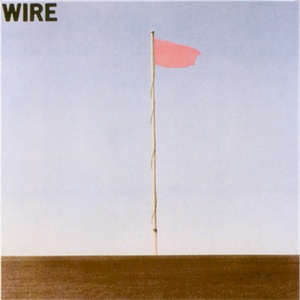
Wire - Pink Flag (1977).

Punk/post punk/experimental

Recommended if you like; The Fall, Gang of Four, Television, Minutemen.

If i were to compile a list of my top 10 British albums, Pink Flag would effortlessly make the cut. This is one of the most influential post punk albums ever that's influenced everyone from the likes of MBV and REM to Blur, the Manic Street Preachers and Bloc Party. The album itself is a blitzkrieg attack that doesn't relent until the end, coming in at just over 35 minutes. The guitar tone throughout is outrageously good - single coils and fuzz boxes!


Hip hop/psychadelic
Recommended if you like; Kool Keith, Madlib, Percee P, Mr. Lif.

This record will only be 5 years old come the end of the month, but already it's a certifiable hip hop classic. Edan's intention when making it was to give the listener an LSD like, ethereal experience and with his 60's psych infused samples and spiritual style of lyric, he certainly delivers. It marries 60's psychadelica with underground hip hop and the result is a left of center classic. The man himself once expressed his musical goal to put Syd Barret's face on Biz Markie's body with Kool G's brain, and it's eclecticism like this which sets Edan apart from the rest.


Tangerine Dream - Phadera (1974).

Electronic/krautrock/ambient.
Recommended if you like; Popol Vuh, Brian Eno, Ash Ra Temple/Manuel Göttsching, Kraftwerk.

Brooklyn band Yeasayer are riding on the crest of a wave at the minute and are blowing up everywhere. I'm a massive fan of the 3-piece myself and so i thought it'd be cool to upload a record that left an indelible mark on the band when they were in their seminal stages. Phadera is a stunning record of (often) improvised cosmic rock and rich soundscapes that is soaked with emotion. The record never enjoyed commercial success in Germany (although attained a cult following internationally) on it's initial release, but thankfully it was never lost and it's influence can still be felt today. I have no idea why I didn't include this on my list of Krautrock records. 


Jaga Jazzist - A Livingroom Hush (2001).

Experimental/jazz/post rock.
Recommended if you like; Squarepusher, Tortoise, Herbie Hancock, Aphex Twin, Duke Ellington.

One of my personal favourites of the 00's. Jaga Jazzist's influences range from Mingus to more contemporary electronica stuff. They've come to be the posterboys of the early millenium Scandanavian 'nu jazz' movement, but i'd say they aren't necessarily genre specific. Their music is hardly inaccessible, but I once read that the band command a massive mainstream radio appeal in their native Norway, compare and contrast that with the Radio 1 bullshit we're subject to over here.


Indie/electronica/synthpop
Recommended if you like; TV on the Radio, Gang Gang Dance, Julian Casablancas, Liars, Dirty Projectors.

Nice little indie debut from Brooklyn duo Telepathe with TV on the Radio's mad scientist Dave Sitek overseeing production. This is synth heavy avant-pop that features guest vocals from Sitek himself, fellow TVOTR bandmate (and majestically beareded) Kyp Malone and !!!'s Shannon Funchess.


Busdriver - Temporary Forever (2002).

Hip hop/alternative hip hop/abstract
Recommended if you like; Q Tip, Black Star, Kid Kudi, MF DOOM, The Cool Kids.Temporary Forever was Busdriver's sophomore release and for me, his magnum opus. It amalgamates everything he does so well, from abstract and non sequitur lyrics to hilarious freestyling (one track features BD rhyming off improv at the booth of a fast food drive-thru and another delivers a sardonic twit on the problems of spontaneous human combustion), all packaged in his own hyperactive idiosyncratic delivery.

Thursday, 4 February 2010

The Foundry, RIP.


Was absolutely gutted when i read the news that Hackney council had finally went ahead with plans to demolish The Foundry. I only visited a couple of times but i adored this place and it was so much more than a pub - it was a fundamental component in the London underground art and poetry scene. Oh well, at least it's got the Astoria for company in building heaven.

Monday, 1 February 2010

FATE


Sometimes you have to go halfway around the world to come full circle.

Friday, 15 January 2010

PARIS


'Parting they seemed to tread upon the air, twin roses by the zephyr blown apart, only to meet again more close, and share the inward fragrance of each other's heart.'


- John Keats.

Thursday, 14 January 2010

The Beauty of 5: Krautrock Albums

5.

http://www.progarchives.com/progressive_rock_discography_covers/1227/cover_536132272009.jpg
Einsjäger Und Siebenjäger - Popol Vuh (1974).

This record is what i'd imagine Godspeed You! Black Emperor and Mott the Hoople would sound like if they had an impromptu jam session. The band inspired modern day acts such as Yeasayer and Girls in that they were one of the first to use African and South American instrumentation to create soundscapes and noise – a feat which is made even more unusual given the inherent links between Krautrock and electronica. Peculiarly, the band settled on the ethno acoustic path after becoming disenfranchised with their MOOG synthesisers; almost paradoxically returning to acoustic instruments to free their experimental inhibitions. The great Werner Herzog is a Popol Vuh aficionado and the bands music  has become a feature in many of his films.

4.


http://upload.wikimedia.org/wikipedia/en/f/f4/Neu2_albumcover.jpg
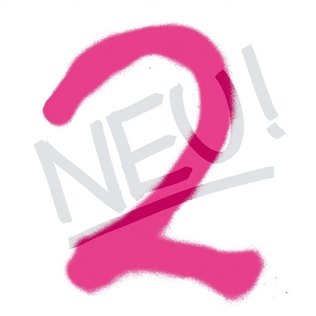
Neu! 2 - Neu! (1973).

A controversial choice considering everything that could have went wrong with this record did just exactly that. Side 2 is a write off which I won't even try to defend  (Neu! ran out of money and fell out with their label when making the album and so released slightly edited, previous singles for filler). Luckily, the first half is a 30 minute blitzkrieg of manic joy. "Lila Engel" is like the musical equivalent of cocaine and the opener, "Für Immer", is the bands most critically acclaimed track. The previous eponymous title, “Neu”, is considered the bands magnum opus, but this is the record that perfectly encapsulates their desultory genius.

3.


http://detour-mag.com/assets/wp-content/uploads/2007/10/clusterzuckerzeit.jpg
Zuckerzeit - Cluster (1974)


I was led onto this album after hearing Brian Eno namedrop it in interview and was blown away instantly. Aesthetically, Cluster contradicted the Krautrock scene at the time in that they were two completely normal  looking Germans who appeared to eschew the Teutonic cool and experimentalism which had become a by-product of the scene. The albums second track, Caramel, was one of the first tracks to explore stripped back synth pop and would go on to influence 80’s new-wave bands such as the Human League and Soft Cell. Although not usually viewed as a Krautrock necessity, it’s a more accessible album which acts as a nice bridge end to some of the genres more heavier stuff.

2.

http://ecx.images-amazon.com/images/I/41PI3%2BRjslL._SL500_AA240_.jpg

Yeti - Amon Düül II (1970).

Amon Düül II were the offsprings of Amon Düül, a political art commune of German freethinkers who formed in the late 60's and were, well, not very good. Amon Düül II were though, and as an overall outfit far more disciplined, picking up live experience with bands such as Tangerine Dream. As a ‘band’ (I use the word loosely considering they were a commune) they were probably too weird for even the Krautrock scene back then, which is indicative of how their material isn't the easiest to 'get'. Although featuring an 18 minute track bearing the album title, the material in Yeti is shorter and more abridged than most of the bands other material. Fascinatingly, the album cover bears the image of and serves as a tribute to ex soundman, Wolfgang Krischke, who passed after overdosing on LSD prior to the albums completion. 

1.

http://www.collapseboard.com/wp-content/uploads/2011/10/can-tago-mago.jpg
Tago Mago - Can (1971).

Can are the daddies of Krautrock. They are to the genre what Walter Grobius was to architecture or Karl Benz to automobiles, and given Tago Mago is their most out there and extreme record, it had to take the top spot. This record was the first to feature then unknown Japanese busker, Damo Suzuki; an eccentric vagabond who traipsed throughout Europe erroneously strumming his guitar to anyone who would listen. On the lookout for a new frontman after original vocalist Malcolm Mooney’s nervous breakdown, drummer Jaki Liebezeit and bassist Holger Czukay spotted Suzuki outside a Munich café and convinced him to take up the position as singer. The results were like no one could have predicted. This is the coolest album in the history of music. 'Paperhouse' is my favourite opening track ever and is absolutely timeless, with its dense arpeggio of chords suddenly evolving into 'Mushroom' never failing to take the breath away (the congruity of Damo Suzuki's ad-lib vocal with the music is bizarrely gorgeous). Despite little previous experience, Suzuki’s minimalist vocal flutters in and out of the record perfectly and gives off the impression of a sort of proselytism. The albums zenith comes in the form of 16 minute ''Halleluhwah" which is a transcendental piece, written to affect the listener spiritually as much as it does sonically. I struggle to comprehend how this record was made at times, rhythmically it is just relentless and dreadfully complicated to the point it makes my head want to explode, yet at the same time it possesses an endearing accessibility and can take you through just about every emotion.

Friday, 8 January 2010

The Beauty of 5: Japanesse Films

5.


Tokyo Psycho (東京伝説~蠢く街の狂気) - 2004.

Low budget, straight to DVD horror that hardly inspires. The subtitles i had on my copy weren't the best so my opinion may be slightly skewed. Basically about some girl who is pursued by an obsessive mentalist she used to go to high school with who is intent on marrying her. Simple. It's attained a cult following in Japan but I don't really know why I watched this.

4.


In the Realm of the Senses (愛のコリーダ) - 1976.

This films still carries a lot of baggage to the day due to the fact it contains scenes of unsimulated sex, but putting all the controversy that surrounded it to the side, it's actually a really good portrayal of mutual obsession and subsequent jealousy with a stockholm syndrome-y (?) undercurrent. It's rather perplexing watching a movie that is basically hardcore porn, but hey, even if you don't like it, it's an XXX movie for the collection.

3.


Gozu (極道恐怖大劇場 牛頭) - 2003.


Gozu plays out like a Tsutomu Miyazki daydream. The film is downright preposterous to the point i can't actually formulate an opinion on it. Is it horror or surrealist comedy? If guys getting off on soup ladels and weird cow head creatures wearing boys underwear is your thing, then give
it a go. The intro (posted above) to the film is one of the funniest scenes i've ever witnessed. Just don't take it seriously.

2.


Suicide Club (自殺サークル) - 2002.

It's ashame that this movie is such a befuddled, fragmented mess because the synopsis is actually really cool. Adolescent suicide cults start popping up inexplicably across Tokyo with 3 detectives (one of them is played by Ryo Ishibashi who makes an appearance in Audition) left to unravel the mystery. At first it's straightforward enough but the plot develops ridiculously and the ending is a bit of a mess.

1.


Tetsuo: The Iron Man (鉄男) - 1989.

I had already seen this movie before but I was stoked about watching it again. It only lasts for an hour but it's like the movie Lynch and Cronenberg would have created if they collaborated back in the day. It's a cyberpunk film about a world where metal and flesh collide which predictably results in a bit of a furore. It may sound lightweight and rumbustious, but if you look at it closely it kinda gives you an insight into Japan's anxiety towards technology and industrialization.


Thursday, 7 January 2010

Xiu Xiu preview new song


This is fucking fantastic, a vast improvement on anything that featured on 'Women as Lovers'. I'll be checking out Xiu Xiu again at Sleazy's next month and am now officially looking forward to 'Dear God, I hate Myself'.

*EDIT* - DGIHM leaks. Download.

Wednesday, 6 January 2010

What will make Pitchfork erupt in 2010?

It's inevitable that someone will fuse shoegaze and dubstep. Dubstep crossovers will be commonplace, actually.

New Clinic album for 2010?


Clinic are, without doubt, one of my favourite bands of the late 90's/early 00's. They signed to Domino in 1999 and have hardly raised their heads above the parapet since despite regular extolments from the likes of Radiohead (who they actually supported on the Kid A tour), Scott Walker and Jarvis Cocker. Drawing a tangible visual influence from the likes of Crime and The Residents, they make derivative and eerie yet danceable music. Their last album, Do it!, came in 2008 and maintained the same high standard as their previous releases. Tentative work on a new album got underway in March 09 and the band have again reiterated their desire to push for a 2010 release. Heres hoping.

*EDIT* - 'Visitations' (my personal favourite) link now added.

Tuesday, 5 January 2010

Isaac Stern doesn't have to put up with this shit.

Just realised that it's 31 years to the day that Charles Mingus died. Mingus was the first avant-jazz artist i really got into after doing a 'blind buy' in Virgin ('Let My Children Hear Music' was the record) and from there i was subsequently led on to all sorts of artists like Sun Ra, John Coltrane, Miles Davis, Ornette Coleman etc. I've been gorging on the genre all day and i've left some of my favourites below for you to download. Enjoy.

The Shape of Jazz to Come (1959) - Ornette Coleman.
This album was absolutely pivotal to the avant-garde and free-jazz movement. It has no chord structure and stunned critics at the time of it's release. Ornette also precedes the American Apparel merchandising aesthetic with his shirt and sweater look in the album cover.

Blue Train (1957) - John Coltrane.


Download.

Just one of the coolest fucking albums ever. Quite an achievement considering this was Coltrane's first foray into leading and composing on his own. Hard bebop that isn't for the light of heart.

Sketches of Spain (1960) - Miles Davis.


Download.

This is a masterpiece of modern art. 'Kind of Blue' would have been the most obvious Miles Davis album to upload, but I think Sketches of Spain is his most interesting piece. This is the only record in his catalog which critics hesitate to call jazz (it's been classed as 'Third Stream', a genre which synthesises classical music and jazz improv). The track 'Saeta' features one of the most amazing techincal solos of Davis' career.

Nuclear War (1984) - Sun Ra Arkestra.


Download.

Sun Ra recorded over 1000 songs throughout the course of his career and has one of the largest discographys in music, so finding a good place to start with him isn't easy. 'Jazz in Silhouette' is generally regarded as the best entry point to his work, but i don't think there's a record that encapsulates what he was about more than Nuclear War and it's title track in particular. It's fun, irregular and ultimately ridiculous at points, but so was Sun Ra.